

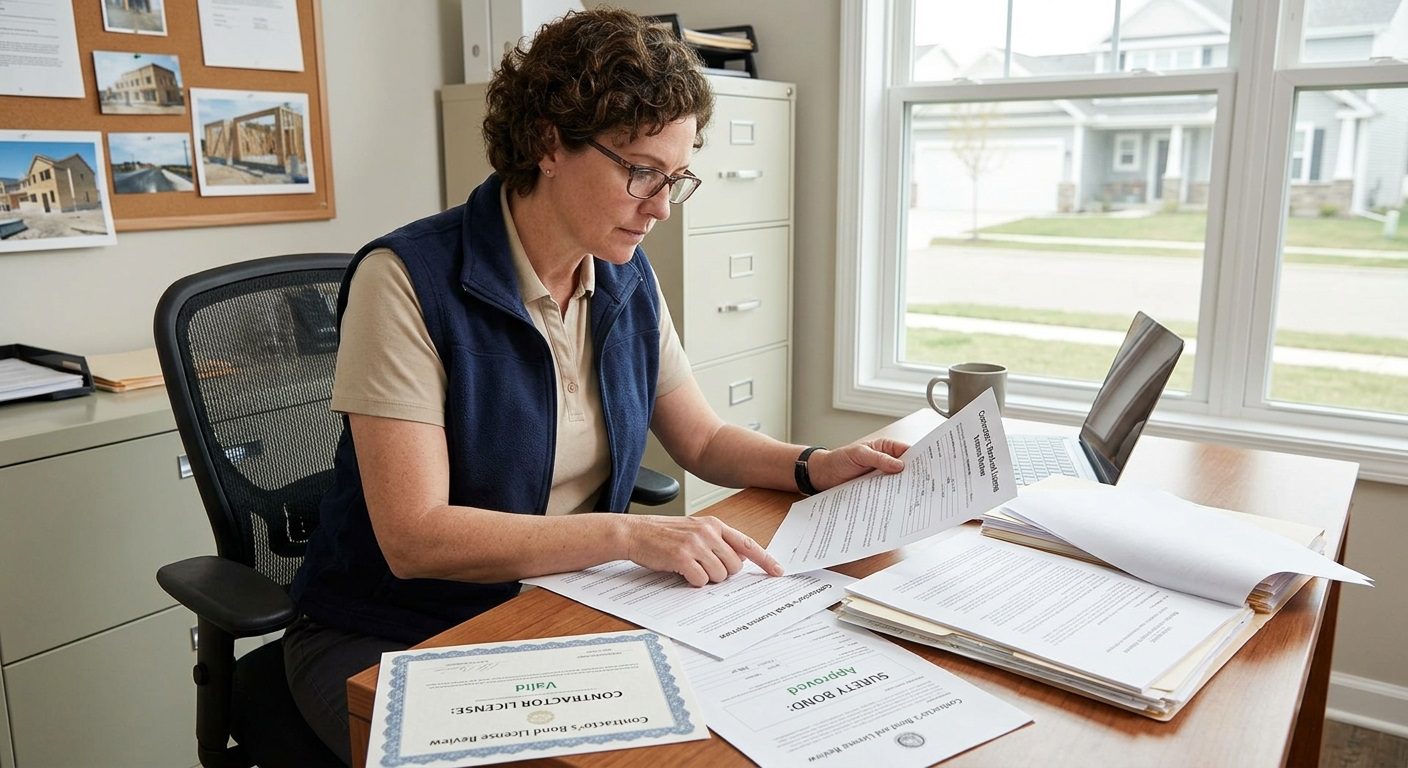
Delegating architectural modifications or foundational updates to unbonded service providers introduces extreme financial and legal exposure. When property owners hire handymen for load-bearing alterations, evaluating licensing mandates is crucial. Furthermore, lacking statutory surety protection means property owners absorb 100% of the financial damages if structural failures occur. Consequently, understanding contractor bonds structural repairs requirements safeguards your real estate investment from catastrophic liability. In this guide, we analyze statutory bonding thresholds, unbonded labor risks, and professional verification frameworks across Washington State.
Statutory Licensing Boundaries and Handymen Limitations
State regulations explicitly restrict handyman labor to minor cosmetic maintenance, expressly forbidding structural or load-bearing alterations. Unlicensed operators frequently bypass building code thresholds, executing critical framing modifications without architectural oversight. As detailed in our compliance guide on Unpermitted Work Washington: Your Home Rescue Guide, unapproved changes jeopardize residential structural integrity. Specifically, altering load paths without engineering validation triggers immediate municipal code violations and stop-work orders. Thus, verifying professional credentials before authorizing structural work prevents severe building degradation.
The Financial Dangers of Unbonded Labor and Liability Exposure
Hiring operators lacking formal surety bonds leaves residential assets entirely unprotected against substandard workmanship or sudden abandonment. If an uninsured worker sustains injuries or causes catastrophic framing collapse, homeowners face direct personal tort liability. As emphasized in our risk assessment overview on Statutory Liability Limits: Homeowner vs Contractor Risks, property owners carry primary accountability for unregistered labor on-site. Moreover, standard homeowners insurance policies frequently deny claims arising from unpermitted structural labor executed by unbonded handymen. Consequently, securing licensed professionals backed by active surety bonds is mandatory for high-risk property modifications.
Structural Integrity and Rafter Modification Protocols
Load-bearing repairs demand specialized engineering knowledge that falls far outside standard handyman capabilities. If an inspection reveals compromised headers, sagging ceiling joists, or fractured framing, certified contractors must install appropriate structural bridges. As outlined in our project framework on The Contrindex Project Roadmap: A 4-Phase Lifecycle, systematic execution dictates long-term structural viability. Furthermore, cutting corners on foundational framing compromises the entire architectural envelope of the building. Therefore, enforcing strict engineering standards protects your home equity from structural failure.
The Compliance Audit Protocol for Hiring Specialty Contractors and Contractor Bonds Structural Repairs
Managing complex residential framing upgrades requires disciplined verification tracking across every phase of property remodeling. When preparing safeguards addressing contractor bonds structural repairs, implementing a structured verification protocol is vital. To guarantee your structural projects clear municipal review without legal setbacks, follow these critical checkpoints:
- Licensing and Bond Verification: Additionally, audit active surety bond registries matching criteria reviewed in How to Use Official State Data to Verify Your Contractor’s License (A Contrindex Guide).
- Permit and Code Alignment: Meanwhile, cross-reference local ordinances against state mandates, echoing standards detailed in Washington Municipal Building Codes: A Comparative Guide.
- Archival Documentation Logs: Finally, maintain digital records of all contractor agreements, mirroring practices from The Documentation Trail: Essential Home Renovation Records.
Official State Licensing Databases and Regulatory Resources for Contractor Bonds Structural Repairs
Relying on verified state government frameworks ensures your structural rehabilitation complies with regional construction statutes. Consulting official contractor databases prevents costly misinterpretations regarding bonding thresholds and statutory consumer protections. You can review active contractor bonds, insurance filings, and disciplinary histories directly through the Washington State Department of Labor & Industries (L&I). By anchoring your hiring strategy to official state oversight, you ensure total legal protection and long-term asset security.